University of Medicine and Dentistry of New Jersey · American Academy of Cosmetic Dentistry · Las Vegas Institute · New York University College of Dentistry · Baylor College of Dentistry · University of Kentucky
Read full bio
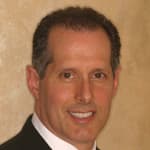
Dr. Christopher Pescatore is a national and international lecturer who has written articles for numerous publications, including Practical Pe-riodontics and Aesthetic Dentistry, Profiles, Dentistry Today, Compen-dium, and Dental Economics. He lectures on state-of-the-art aesthetic procedures, techniques and materials. Dr. Pescatore holds a U.S. pat-ent for a non-metallic post system to restore endodontically-treated teeth. Dr. Pescatore is past member of the Board of Directors, the current editorial team member of the AACD, the Board of Contributors to Esthetic Excellence for Advanced Learning Technologies, Inc., past Clinical Co-Director and former featured lecturer at the Las Vegas In-stitute. Dr. Pescatore is the past instructor of the Advanced Aesthetic Program at New York University - College of Dentistry, the Aesthetic Continuum Program at Baylor College of Dentistry, and the Aesthetic Program at the University of Kentucky. He also evaluates and assists in the development of products for several leading dental manufactur-ers. Dr. Pescatore is also one of only 47 dental professionals world-wide on the editorial board of the prestigious publication REALITY- the Information Source for Cosmetic Dentistry.
Dr. Pescatore is a graduate of the University of Medicine and Den-tistry of New Jersey - New Jersey Dental School. He maintains a full-time practice dedicated exclusively to aesthetic dental procedures.
Are you maximizing your intraoral scanner's potential, or just using it to avoid impression material? While 53% of dentists now use digital scanners, most are missing the transformative power of the initial scan visit.
Dr. Christopher Pescatore brings over 30 years of aesthetic dentistry experience and pioneering work in digital workflows since the 1990s. A national and international lecturer, published author in leading dental journals, and holder of a U.S. patent for non-metallic post systems, Dr. Pescatore has served on editorial boards including the prestigious REALITY publication and taught at New York University College of Dentistry, Baylor College of Dentistry, and University of Kentucky. He maintains a full-time practice dedicated exclusively to aesthetic procedures and has been instrumental in developing products for major dental manufacturers.
This episode explores how the first patient visit becomes a cornerstone for building trust and achieving exceptional case acceptance through comprehensive digital scanning. Dr. Pescatore demonstrates how scanning functional movements—not just static impressions—creates powerful patient education moments that transform consultation dynamics. His approach combines clinical excellence with relationship-building strategies that have evolved over three decades of practice.
Episode Highlights:
The initial scan visit protocol includes capturing maximum intercuspal position, protrusive movements, and canine guidance patterns to demonstrate wear patterns and functional deficiencies to patients. This comprehensive documentation becomes the foundation for treatment planning and helps patients understand why problems exist and how they can be addressed.
Patient positioning and communication strategies significantly impact treatment acceptance, with the practitioner sitting slightly below the patient's eye level to create a non-threatening environment. This approach, combined with open-ended questioning and active listening, establishes trust before any clinical procedures begin.
Digital scanning serves as a painless first clinical interaction that immediately demonstrates practice technology and competence. The co-discovery process of viewing teeth on screen together creates shared understanding of clinical conditions and treatment needs.
Functional movement scanning allows before-and-after comparisons that showcase not just aesthetic improvements but functional enhancements. This comprehensive documentation helps patients appreciate the full scope of treatment benefits beyond cosmetic changes.
Established practices with strong referral bases see enhanced case acceptance through digital visualization, though newer practices may need additional relationship-building to achieve similar conversion rates. The technology accelerates treatment planning discussions and helps patients commit to comprehensive care more readily.
Perfect for: General dentists and aesthetic specialists looking to enhance patient communication, improve case acceptance rates, and maximize their digital scanner investment beyond impression replacement.
Discover how a simple shift in your first visit protocol can revolutionize patient relationships and treatment acceptance.
Transcript
Read Full Transcript
This transcript was automatically generated and may contain errors or inaccuracies. It is provided for reference and accessibility purposes and may not represent the exact words spoken.
But I don't just scan their teeth. I actually scan bite movements. I scanned their maximum
intercuspal position. I scanned their protrusive movement. I scanned canine guidance movements.
So I show them how they're wearing their teeth, why things are the way they are, and how we can fix
them. After I'm done with treatment, I scan them again and I scan all those functional movements
again. That really gets them. I always say it's the gift under the hood kind of thing.
Welcome to the Phil Klein Dental Podcast. According to a recent survey by the American Dental
Association, about 53% of dentists are currently using intraoral scanners in their practices.
This number is expected to continue rising as more dental professionals recognize the benefits of
digital dentistry. But there's more to an iOS than just taking an impression. Our guest today,
Dr. Chris Pescatore, believes that the dentist should use the scanner in the first visit. As he
explains, it builds trust and becomes the foundation for a successful dentist-patient
relationship. Dr. Pescatore is a general dentist with over 30 years of experience. He has been a
pioneer in digital dentistry since the early 90s and has seen it all when it comes to creating
aesthetic restorations. We'll be getting to our guest in a second, but first, we all know that to
achieve healthy, beautiful smiles, we sometimes need to align the teeth. And to do so, aligner
therapy is a great option. So why not set your practice apart with 3M Clarity Aligners Flex from
Solventum, formerly 3M Healthcare. Designed for comfort, Clarity Aligners Flex feature a thin,
flexible design. yet they deliver excellent force persistence over a two-week period. Plus,
they resist scratching and stains, and they're backed by a dedicated clinician team providing
support every step of the way. With a variety of affordable case-type options, single or dual
arch, Clarity Aligners Flex offer a great value to your patients and practice. To learn more,
visit 3M.com slash clarity dash aligners dash flex. Dr.
Pescatore, thanks for joining us on our show. Thank you for having me. I appreciate you having me
back. Yeah, we're really happy to have you back. And we really want to tap into your dental mind
here with all the years of experience. And you've been through decades of digital dentistry before,
as I mentioned on a previous podcast, most people even knew what digital dentistry was. And you've
been trying it, using it, and seeing the benefits. And we're just really happy to have you share
some of this information with us. In a previous webinar that you did for Viva Learning, I noticed a
section that you did, which I thought was very interesting, where you focused on the initial visit,
where you call it the initial scan visit. That visit is the first time you see the patient.
You take a full mouth digital scan. Tell us how long you've been doing that and how has it helped
your practice? Well, you know, people call these different things I see in emails and I see in
articles, people calling them things like wellness scans or I call it initial scan because it's on
the initial visit typically. And there's nothing better. I don't think anyone would disagree.
There's nothing better than visual communication, especially in dentistry.
So, you know, before we had intro cameras and they were okay, but I always found them clunky.
I always found the pictures not that great. So we have a scanner and most people went for scanners
because they wanted to replace impression material. That's just one of the many benefits of a
scanner. To me, the relationship and communication you're going to build with the patient is much
more valuable. When someone comes in, and I have a lot of people coming in for cosmetic
consultations, you know, I take a look, we talk for a little bit, and then I decide,
I said, let me scan your teeth. And I scan them pretty quickly, and I do it. I know other offices,
you can easily delegate it and things like that. When I have a patient initially come in, I'm the
one that actually goes out to the waiting room and gets them. I just believe in that personal
touch. And I introduce myself as Chris. I don't introduce myself as Dr. Pescatore. I only make my
kids call me Dr. Pescator. But I introduce myself as Chris. And we go back and we have a
conversation. Then when I scan them and I show them, because I use a laptop and I have it on this
cart. I could easily bring it around. I know many people use the screens in their operatories,
which I have, but I just don't use for this particular thing. And everyone has their way of doing
it. So whatever way works for you. And then I show them. But I don't just scan their teeth.
I actually scan bite movements. I scanned their maximum intercuspal position.
I scanned their protrusive movement. I scanned canine guidance movements. So I show them how
they're wearing their teeth, why things are the way they are. And how we can fix them. And saying
that too, after I'm done with treatment, I scan them again and I scan all those functional
movements again. So I can evaluate if I need to tweak things, but they can see the improvement.
Because that's also a big thing. They just see the nice smile. But when they see the functional
improvements. That really gets them. I always say it's the gift under the hood kind of thing.
The patient education part of this is a really big factor in what you're doing. Do you explain to
them before you scan why you're doing this? What's your typical opening discussion to a patient
you've never seen before? And I think it's very unique that you actually go to the waiting room to
get them. I've never heard of that recently. I mean, I'm a dentist and the dentist who treats me
knows I'm a dentist and he doesn't come out to see me. So it just doesn't happen that often.
But I find that very interesting. So you go out to the waiting room, bring the patient back. What's
your initial discussion with them before you take the wand out and start doing this stuff? Well,
you know, first is something I learned early on. Again, I think in the last podcast,
I talked, you know, mentors and people who have. influenced you. And I've been very,
very fortunate. I always say my career is a result of being in the right place at the right time.
I've been very fortunate to have been taught and mentored by some of the best people I think in the
industry for this stuff. And they were very kind in sharing their knowledge with me,
unabridged. you know, not holding back. They really, really helped me.
And I learned every day. I mean, I learned from the people I trained with too. I mean, we, you
learn all the time, but one of the things I learned as I tried to emulate them was especially how
they encountered an initial visit was I failed because it wasn't, I wasn't them. So what I do is I
bring a patient back, especially since they're coming in, say for a cosmetic consultation. And I
sit down and I, hi, Judy, how are you? How'd you find the office? Did you find the office?
Okay, great. I'm so happy to have you. And then I just say, how can I help you? And then I shut up,
which for an Italian from Jersey is hard, but I shut up and I let them talk because I want to know
where they're coming from. dental IQ wise. I want to know where they're coming from expectation
wise. And so after I do that, I said, you know, that's great. I said, I want to make sure we're on
the same page. You know, it would be great if we could look at your teeth. Is it OK if I scan your
teeth and then we can look on the screen and look at your teeth and look at what can be done and
you can see what's going on? Oh, my God. No one says no. When you say scan,
some patients may think there's radiation involved because when you get a CAT scan or when you get
an MRI. So do you explain to them what that scan means? You know, that's interesting you say that.
I've never had someone say that to me. Okay. So when they say... You know what? I'm assuming it
will happen. I scan... It's going to happen tomorrow, Dr. Pescatore. Yeah, exactly. It's going to
happen tomorrow morning, your first patient. Exactly. How much radiation am I... here oh my god
that's so true you know i've not had it maybe i just because i i have my digital scanner right
there it's a wand i'm in the room so maybe but you know i'm not yeah they haven't said that maybe
they're waiting to see the equipment and then when they see it's a laptop but maybe that's why they
don't ask but yeah that's a that's a good point um but then when i start scanning sometimes they've
seen scanners before especially if their kids have been ortho they know what scanners are uh
sometimes they don't and they say what's that oh watch you're gonna see magic And so I do the scans
real quick and I do it myself. It takes you, what, you know, a couple minutes in arch when you get
proficient at it. And I guess emotionally, it's good for the patient for you to start a procedure
where they feel no discomfort because scanning obviously is not hurting them. You're not doing
anything to retract the tissue where it's painful or anything major, right? I mean, it's such an
easy procedure. Right. Yeah, very benign procedure. So the first experience they have,
the first interaction they have with you, you're getting all this information and it didn't hurt
them, which is a positive. Yeah, that's a great point, too. Yeah, I think making it painless,
making it informative, making it casual, making it an even rapport.
And that's another thing, you know, when I sit down, the patient sitting in the chair, that's
another point that just reminds me is how I. sit with the patient. I don't stand over the patient,
look down at them and go, what do you want? I actually sit down in my chair and I'm facing the
patient. They're in the dental chair. And I used to do it different years ago, but this has just
evolved how it's been. And I sit in my chair right next to them and I make sure I'm actually a
little lower than them. There's a reason for that because if I'm higher, it's a more dominant
position. If I'm lower, they feel like they have the upper hand and they will say, what's on their
mind. So I've used that and that works really well. And we sit close. I'm not like 10 feet away.
I'm right up next to the chair. How are you doing? You know, let's talk to me. Tell me what you
think. And sometimes we'll start talking and the only times I interrupt is to ask more questions.
I totally agree, Dr. Pescatore. I have a primary care physician now that is very different than the
one I had before. The new one, he's maybe about 60 years old. At my first appointment with him,
he was just fantastic. He was a real listener. He seemed genuinely interested in learning about my
health before just categorizing me as a person of a certain age that may have typical ailments.
And he just approached it from a way of saying, I want to get to know you. How can I help you?
And it was a very enjoyable first visit. And he's a really good doctor. I'm really glad I switched.
It sounds like your approach with your patients. Pretty much.
I don't feel the need to walk in with my dental degrees or my other awards.
I just don't feel the need. Actually, I have almost no degrees or anything hanging in my office.
They're all in big stacks and closets. I don't even put that stuff up. I don't want it to be
intimidating. I want them to know I'm... trying to help them. I'm there for them. And I want them
to trust me because when I recommend a treatment, I always say no one is going to accept this kind
of a treatment if they don't like you. And so if you're not likable and you can't get them to
relate to you and like you, good luck. Good luck. It's the classic interaction between two people
where once trust is established, you know, the sky's the limit.
And you can't force something down someone's throat if they don't want it or trust you or like you.
Of course, it's going to be way more challenging to get the yes on the case treatment acceptance.
We'll be getting right back to our guest in a second. But first, when it comes to the final step in
indirect restorations, cementation is crucial. That's why thousands of top clinicians rely on
Therisem by Bisco. This dual-cured calcium and fluoride-releasing self-adhesive resin cement is
ideal for looting crowns, bridges, inlays, and onlays, with no need for a primer.
TheraseM forms a strong bond directly to zirconia in most dental substrates. Its easy cleanup,
convenient delivery system, high radio opacity, and continuous calcium and fluoride release make
TheraseM a top choice among dental cements. For cases where you choose to apply an adhesive
separately, Duolink Universal Adhesive Resin Cement is the perfect solution. Compatible with all
dental materials, it works seamlessly with Bisco adhesives, such as Z' Plus and Porcelain Primer,
ensuring optimal strength and adhesion. It's time to get the most out of your indirect restorations
with Bisco's Advanced Dental Cements. To learn more, visit bisco.com.
So before you do that scan, do you... inform the patient what they're expecting to see on the
screen? Most of the time I say, wait, when we're done, you're going to see your teeth on my screen.
It's like I pulled them out of your head and they laugh, a little chuckle, you know, and I said,
we're going to see everything. And then, you know, it is that kind of co-discovery together
because as we're looking and I, you know, show them the occlusal view of their teeth, I'm like,
wow, did you know you wore your teeth that much? Oh my God, look at the recession. And, oh,
you know, it's that kind of co-discovery. And it's not intimidating. It's I'm seeing it for the
first time they are because they are not looking in their mouth like that. So we're kind of co
-discovering. I'm going, wow, you know, let me tell you what can be done because we don't want this
to get worse. Now, in my presentations, and I forget if I did it on that webinar I did,
but I know I do it on my presentations like I have one a couple of weeks. I actually show a
patient. who I did upper and lower veneers on, 10 and 10. So 20 teeth.
But I wanted her to go through ortho first. She didn't want to. So in my presentation to her,
I got her back and I presented as she saw her photos. She saw her scans on the first visit.
So she knows she had issues. And I even talked to her about some of those. I then presented, I know
you don't want ortho, but you need to do this. If you're not going to go through ortho, these are
the... Possible downsides later on down the line, like chipping and this. You have to wear a night
guard, but night guard's not going to 100% protect you. And if it chips, it's on you. You got to
pay me again. There were areas of recession. I said, you need to see a periodontist. I said, my
treatment, these are the conditions of my treatment. You need to go to the periodontist and get
some grafting done. And they have to accept it. And then at the end. I have a screen.
I just do it in keynote. You could do it in PowerPoint. You could present it however you want. I
have a questions and we sit and talk. And if they have questions and then I had this one patient
say to me, wow, she put,
that's the best CYA I've ever seen. And I went, no, I said, you know what? It's not so much for
that. It's just that I want you to know what I'm doing. I guess it is covering me. But bottom line,
you could always lie and say you never saw it. But it's so we're on the same page. Right. So I've
had patients not accept optimum treatment. And then something breaks or chips down the line. I
said, told you. And they have no problem. I know I owe you more money. Yep. I mean, it's like
building a house and your foundation is sinking or it's not level. And then you spend all this time
and money building your house and you're building on something that has no duration and it has no
lifespan to it. It'll look good for two years and then you got to get out and sell the property to
somebody else or whatever. These are your teeth. You know, if you're looking for a long-term
solution here, this is what you got. So how much does that initial scan visit actually affect case
acceptance? Because you don't have a treatment plan on that first visit. So how do you use that
scan for getting the patient to say, yes, let's move forward? forward with this?
I would say it helps 100%. I mean, it helps all the time. Sometimes for finances,
they want to stage things, which is fine. But I don't know if I've got many people say, no,
I'm not doing anything. There is a little caveat here. I've been practicing, what,
34, 35 years. After five years, if I was doing this, it would have changed.
I don't know if my acceptance rate would have been as high because When you do this kind of work
consistently for decades, people know you. You get a reputation. Most of my referrals are from
other patients. I don't do any outside advertising. I barely have an Instagram. So,
I mean, I barely put anything on it. So it's all referral. Word of mouth.
I remember I was in a marketing thing many, many years ago, early in my career, and they say the
best. Return on investment is word of mouth. So I said, OK, so why am I going to pay for other
things, which I have over the years? But word of mouth is still the best for an early practitioner
or younger practitioner. They might not see the conversion, but I get a conversion because people
are coming in specifically for work. Given the fact that you've practiced for 35 years.
Even when you practiced 25 years, you still had the reputation and the experience and the wisdom
where you would get a high level of case acceptance. But with the digital scan,
given the same wisdom that you have and the same reputation, do you see yourself moving these
people into the treatment plan faster and more energetically with greater alacrity with these
digital tools? Great question. I haven't thought about it, but definitely. I think, yeah, I think
it would be an obvious yes. I haven't thought about it, but I'm pretty sure,
yeah, I would have. Now, did you do the initial scan? You've been doing digital dentistry probably
longer than anybody, right? No, you know, I've been doing it a long time, but there have been
people that got into it before me. I've been doing 3D since the 90s. That's a whole different
ballgame. Scanners. uh 2004 2005 so 20 20 years on the scanners yeah but 3d you started doing in
the 90s and you're referring to chairside milling yeah when i got an in-office cat can system one
of the first things is i didn't like the library of teeth so i i was on them so can i put in my own
3D teeth. They're like, what do you mean? They thought I was nuts. I said, because I think I can
design a tooth better functionally and aesthetically than these libraries.
And over the years, I have fine-tuned my set of teeth.
Functionally, aesthetically, I have variations, which actually we're going to be doing a program in
2025 of my whole digital workflow. Using my iPad, using my laptop and how I just create my digital
wax ups and how. Where is that program in person? We're going to. Yeah,
we're going to. It's going to be in person right now. We're working out the details, but it's
probably going to be out of Cleveland, Ohio, as far as I know.
But there'll be some information on that. at some point. We'll let our viewers know.
We'll let our listeners know when that happens. And I'm really looking forward to that. They'll see
my 3D geek side. And they don't have to get that geeky, but they can just see how there's so many
other alternatives with 3D and dentistry. I got into it because I wanted my presentations back then
to be more than 2D. So I started making 3D presentations when I would lecture because I just
thought it was more exciting. Right, right. As we wrap up this podcast on the initial scan visit,
what other benefits do you see from doing that full mouth scan at the first visit?
What else does it bring to the practice? We discussed trust. Case acceptance, patient education.
I guess there's a wow factor in there too, right? For sure. Just from the standpoint of where you
are with a modern day office. Right. There is that wow factor. I think also staff love it.
I think the staff are more excited to do scanning than impressions. I think it just makes the whole
scenario of your practice. It takes it up that level.
of technology excitement the what you're able to do uh to me impressions are the least of what
scanners can really do for you it's diagnosis it's so many things and the scanners are unbelievable
now AI they've built into them and just how quick they can scan, even scanning edentulous.
If I do edentulous, I typically take an impression and scan the impression, but they're getting so
good, you almost don't have to do that anymore. With these full mouth rehabs, extracting the teeth
the same day you put the implants in, send them home with temporaries for three months,
bring them back and then move forward. It's just... You can't do that without that digital
workflow. It's phenomenal. As we wind down this episode, Dr. Pescatore, I want to ask you about,
you talked about staff. There are dentists who are resisting the whole digital workflow, even
though you've been doing this for a long time. You probably had a long day today, and I appreciate
you doing this podcast. I actually have a veneer patient after this. Oh, okay. All right. Yeah,
you never stop. So as far as staff and the whole culture of the practice,
Hiring people and keeping them on is very important because there's a shortage of dental auxiliary
right now. There's a shortage of people that could come in and help the dental office function. So
by doing digital dentistry, you're certainly engaging the staff to a level where they want to stay
at that practice versus going down to another dentist three blocks away that has a fully equipped
digital practice. So there's a competitive thing there where it's important for a dental practice
to stay up to speed with digital in order to keep. the staff necessary to run the practice what are
your closing thoughts on that I think that's mostly true And the reason why I say that is because I
think I alluded to in the other podcast I did is, you know, I have a practitioner in my complex and
he's still completely analog and he's one of the best dentists I've seen. So and he's had his staff
forever. So there goes that there goes my argument right there. Right. There's exceptions and
there's exceptions. And why he hasn't adopted it more. It's kind of like if it's not broke,
don't fix it. And there is something to be said for that. I just think the minimal people will get
into this stuff is at the scanner level. I think it's just a matter of time. And I think once
dentists get over the mental roadblock of adapting it,
I think they'll be happy they did. And maybe it'll add some new excitement to their job,
their profession, especially it's easy to go stale in this profession. And I think it just adds,
and it's not so cost prohibitive anymore. I mean, they're pretty reasonable and there's a lot to
choose from. Right. Now, I mean, I have spoken to some dentists that literally could never go back.
They made the transition. They rely on 3D printing. They do a lot of 3D printing and there's just
no way they could do without it. So again, as you said, you have the dentist down the block in your
area who does analog dentistry and is not going to change. But I think for the most part, I think
dental practices are looking at this as something that brings huge efficiency to the practice in so
many different ways. And once you start using it and integrating it, you don't go back.
That's just how it works. It's like going back to wooden tennis rackets. I'm a tennis player. And I
remember my old wooden tennis racket, my Davis Classic or whatever it was. I'm really dating
myself. And now I use... a Yonix and I it's like my god this racket right I'm not I'm not a you
know great I played college tennis, but it does wonders for your game. Trust me. All right. Anyway,
we'll wrap this one up. Dr. Pescatore, thank you so much for your time. And we'll see you on another
podcast. Thank you so much. Great. Thank you again for having me. Appreciate it.