Cosmetic Dentist · UCLA Center for Esthetic Dentistry
University of California Los Angeles School of Dentistry · UCLA Center for Esthetic Dentistry · F.A.C.E. Institute · Esthetic Professionals
Read full bio
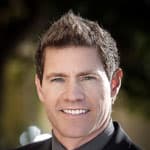
Dr. Todd C. Snyder received his doctorate in dental surgery at the University of California at Los Angeles School of Dentistry. Dr. Snyder has learned from and worked under some of the most sought after leaders in dentistry, refining his skills in comprehensive, extremely high quality aesthetic dentistry and full mouth rehabilitation. Furthermore he has trained at the prestigious F.A.C.E. institute for complex gnathological (functional) and temporomandibular joint disorders (TMD).
Dr. Snyder lectures both nationally and internationally on numerous aspects of dental materials, techniques, and equipment. Dr. Snyder has been on the faculty at U.C.L.A. in the Center for Esthetic Dentistry where he co-developed and co-directed the first and only comprehensive 2-year postgraduate program in aesthetic and contemporary restorative dentistry. He currently is on the faculty at Esthetic Professionals. Additionally, Dr. Snyder is a consultant for numerous dental manufacturing companies and has had the opportunity to research and recommend changes for many of the materials now being used in dentistry. Dr. Snyder has authored numerous articles in dental publications and published a book on contemporary restorative and cosmetic dentistry.
Dr. Snyder also founded and is CEO of Miles To Smiles a non-profit mobile children's charity that helps indigent and underprivileged children.
Are you asking every patient that walks through your door if they're happy with their smile or have ever wanted whiter teeth? If not, you're missing one of the most powerful practice builders in dentistry.
Dr. Todd C. Snyder joins the show to share his expertise on maximizing the potential of teeth whitening services. Dr. Snyder received his doctorate in dental surgery from UCLA School of Dentistry and has trained under leaders in comprehensive aesthetic dentistry and full mouth rehabilitation. He trained at the prestigious F.A.C.E. institute for complex gnathological and TMD disorders, lectures nationally and internationally on dental materials and techniques, and served on the faculty at UCLA's Center for Esthetic Dentistry where he co-developed the first comprehensive 2-year postgraduate program in aesthetic and contemporary restorative dentistry. He currently serves on the faculty at Esthetic Professionals, consults for numerous dental manufacturing companies, has authored multiple publications, and founded the non-profit Miles To Smiles.
This episode explores how whitening serves as the gateway drug to comprehensive cosmetic dentistry, examining ideal patient selection, treatment sequencing, and the business fundamentals that make whitening one of the highest-margin services in dentistry. Dr. Snyder reveals how proper implementation can transform patient retention, drive case acceptance, and create sustainable practice growth through both direct revenue and word-of-mouth marketing.
Episode Highlights:
Patient communication strategies emphasize that whitening at home with 10-15% carbamide peroxide systems reduces biofilm in the mouth while providing aesthetic benefits, creating a health-focused conversation rather than purely cosmetic sales approach. Research shows home whitening at night provides superior whiteness levels compared to high-concentration in-office treatments.
Treatment sequencing requires whitening completion before any restorative work in the aesthetic zone to avoid color mismatches, with the exception of full-coverage restorations where underlying tooth color won't show through. For veneer cases, whitening must always precede fabrication unless doing comprehensive upper and lower veneers.
Revenue optimization combines in-office whitening at $500-600 with custom take-home trays at $300-500, potentially generating $1000 per patient initially, followed by ongoing gel refills. Some practices integrate whitening into comprehensive health concierge programs or utilize intraoral scanner workflows to send impressions directly to manufacturers.
Staff training protocols require every team member to ask whitening questions during patient interactions, with hygienists using shade guides before and after cleanings to demonstrate potential improvements. This systematic approach can convert 1-5% of patients who would never volunteer interest in whitening services.
Marketing automation through email and text campaigns to inactive patients can generate thousands in whitening revenue within days while reactivating hygiene patients. Positioning whitening as both aesthetic enhancement and biofilm reduction differentiates practices in an increasingly competitive market.
Perfect for: General dentists looking to optimize cosmetic service offerings, practice owners seeking high-margin revenue streams, and dental teams wanting to improve case acceptance through systematic patient communication.
Challenge yourself to ask every patient for one week if they're happy with their smile - you'll be amazed by the response.
Transcript
Read Full Transcript
This transcript was automatically generated and may contain errors or inaccuracies. It is provided for reference and accessibility purposes and may not represent the exact words spoken.
How many of you ask every patient that walks through the door if they're happy with their smile or if they've ever wanted whiter teeth? If you actually made that a strategy that someone in your practice, whether it's the front desk, the assistant, whether it's you, somebody has to ask every patient that walks through that door. Because if you do that, you'd be amazed. I don't care if it's 5% of your patients or 1% of your patients. They're going to say yes. But if you're not asking, then you're not getting.
Welcome to Austin, Texas, and welcome to the Phil Klein Dental Podcast. Thank you for joining us. Today, we'll be diving into one of the most accessible and often underestimated practice builders in dentistry, and that's teeth whitening. While many clinicians view whitening as a simple cosmetic add-on, the truth is that it plays a much larger role in patient satisfaction, case acceptance, and overall practice growth. From strengthening patient relationships to opening the door to more advanced cosmetic and restorative treatment,
whitening can be one of the most powerful services a dental practice provides. Today we'll explore which patients are ideal candidates, how whitening sets the stage for better aesthetic outcomes, and the business upside from high margin services to the word-of-mouth buzz that helps practices grow organically. We'll also look at how whitening pairs perfectly with clear aligner therapy and how some practices are even printing custom trays in-house.
while patients receive their first whitening treatment in the operatory. To help us unpack all of this, we've invited a leading expert in cosmetic dentistry and practice growth strategies, Dr. Todd Snyder. He has an incredible training program that's been very successful over the years. You can check that out at legiondentist.com. That's L-E-G-I-O-N, dentist.com.
Before we bring in our guest, I do want to say that if you're enjoying these episodes and want to support the show, please follow us on Apple Podcasts or Spotify. You'll be the first to know about our new releases and our entire production team will really appreciate it. Dr. Snyder, welcome to the show. Thanks, Phil. Always a pleasure to be here. Yeah, we're really happy to have you. And as a general dentist, you've done a lot of stuff in dentistry. You're not only a teacher in cosmetic dentistry, but you also are up on all the...
digital workflow gadgets that are out there and what's necessary, what you feel is maybe overkill. And then you always have a good understanding and explanation and you articulate it very well that for each individual practice, not everything applies, right? It's really very specific to the goals of the practice and the goals of the actual practitioner. But when it comes to whitening, it seems to me that if you're a GP, whitening should be a staple service of the practice. What do you feel about that?
Oh, definitely. You know, you figure whitening is the gateway drug. I'll get people to try that. And the next thing you know, they're pointing out little flaws in their teeth and wanting bonding done and veneers done or straightening things. And yeah, you know, it literally allows people to see things.
more closely because they're looking at the whitening and how it's enhancing and changing things. And so now they're starting to see all the flaws that they didn't really pay attention to before. So yes, whitening is a game changer for anyone that's not offering it. It's a must for a GP. Now, of course, every patient is different. But typically speaking, for most patients, they may have some decay. They may have some dental problems, but not major. And you want to do whitening. Where does the whitening procedure come into play in the treatment plan? What part of the timeline are we talking about?
Well, it kind of depends on where the pathology is. Obviously, first and foremost is treating pathology before it gets out of hand and causes bigger problems. But for the same token, if you're fixing something and it's in the...
aesthetic kind of cosmetic appearance aspect of that patient's smile and appearance, talking, smiling, laughing. And you go, okay, well, if we're going to work on this, are we matching the same teeth that you have as far as the color, you know, the yellow warmth of these teeth, or are we going to make them whiter and then match that color? Because if we don't do it now and you decide to do it later, then you're going to have something that stands out because I matched a yellow tooth and then your teeth are going to get whiter after the fact. And you're kind of asking the question, like, does that make sense? Do you want to have potentially a problem?
in the future when we do it now? And they're like, no, no, no, it's whitening now if we're going to do it. Like, yeah, that makes more sense. And for veneers, of course, that's without a doubt, right? You're not going to touch the veneer without having the whitening done first, correct? You know, I never say everything's a guarantee, but here's the example is, let's say we're making such...
thick or opaceous looking veneers that were covering the whole tooth and there's nothing coming through, then there's no reason to whiten ahead of time. If we're doing upper and lower, you don't have to whiten. But if we are doing lower teeth and you're trying to mimic something into the upper teeth, then yeah, we're going to want to whiten first to see where they can get. And if they're not getting to the whiteness that they're desiring, then yeah, maybe it's an understanding that that doesn't get to where you want, then maybe we have to veneer or bond the lower teeth as well. When I think veneers, I always think very thin. And I'm thinking that, you know, we're doing something that...
is so thin that we obviously want to make sure that what's underneath is as white as we can get it first. That's what I like. But, you know, a lot of people nowadays want this Hollywood white chiclety kind of, it's like, okay, give them what they want. Right. So let me ask you about the impact on patient retention, case acceptance, and overall practice growth. For a young dentist who's starting their own practice, they're going to move forward with a whitening program. And every...
operatory, whether they have an associate or not, every patient is going to be offered that whitening procedure. How does it affect patient retention, case acceptance, and as I mentioned, practice growth? So where I see whitening is, number one, everyone wants to look better. So everyone should be offered it. Now, for all the dentists listening, ask yourself and be honest, how many of you ask every patient that walks through the door,
if they're happy with their smile or if they've ever wanted whiter teeth. I can tell you right now, 99% of you say you don't. Now, why is that? Why do you think that is? I think it's just not built into the system that they're too busy, you know, kind of doing the normal day-to-day stuff. But if you actually made that a strategy that someone in your practice, whether it's the front desk, the assistant, whether it's you, somebody has to ask every patient that walks through that door.
Because if you do that, you'd be amazed. I don't care if it's 5% of your patients or 1% of your patients. They're going to say yes. But if you're not asking, then you're not getting. And some people say, well, I already whiten at home. I do the Crest White Strips. And you're like, well, how is that working? Not very well. Well, yeah, because it's not really a professional-grade product that a dentist oversees, like something like Philips Zoom products, right? You'd be amazed how much opportunity you're missing by not having people asked a simple question.
So what are your thoughts, Dr. Snyder, about how the popularity of clear liner therapy is driving the whitening category? Obviously, they work very well together. Patients do the at-home treatment as they're getting their ortho treatment with the trays that they replace every week.
It's very big in the world right now as far as, you know, the social appearance, you know, probably driven by social media, right? That everyone wants straighter, whiter, better looking teeth and smiles. And so, yeah, it makes it easy that more adults, you know, can do aligner therapy and have, you know, straight teeth. But then after they're straightened, they're like, well, now they're straight, but they're yellow. So whitening goes right into that. That should be a given.
If anything, whiten while you're doing the Invisalign, I shouldn't say Invisalign, the aligner therapy with whatever brand you use. But from there, once people get straight white teeth, they want to maintain that. So they're wearing some type of retainer, but they're also wanting, again, if you're asking the question, hey, are you out of gel at home? When was the last time you whitened? Again, it's an opportunity to sell them another sleeve or two of whitening gel. But like my office, we give it away, which is most people say like, what?
People come back in for their cleanings knowing they're getting their whitening at that appointment and that I give it to them for free. So they tip.
show up for that appointment. They show up more often than missing appointments because they're getting that gel because they want to maintain that appearance. As far as communication strategies, a lot of dentists struggle with bringing up whitening without sounding too salesy. And like you mentioned,
that discussion should happen almost routinely with every patient that is in that practice. How do you recommend creating a natural, comfortable conversation with the patient where you get high case acceptance, but it doesn't sound like the dentist is trying to get some new revenue from that patient? There's a couple of things. You could have numerous different ways in which you want to approach it. Again, it depends on your office and who's doing the conversation. So you're thinking about what's the strategy? How often in your business do you sit down with all the employees and talk strategy?
Because most businesses do on a regular basis, but yet in dentistry, it's just, hey, show up and do the dentistry. So you go, okay, what's the strategy? Once we have it, what's the system? How are we implementing it? When are we deploying it? And then accountability. Is it getting done? Are we putting it in place? And so, you know, again, to ask someone a simple question of, hey, have you whitened your teeth before? Have you ever considered having whiter teeth? Are you happy with the color of your teeth?
You know, there are numerous different questions you could come up with. Heck, ask chat GBT, right? And again, it depends on who's asking the question and at what time, you know, or maybe it's in the operatory and an assistant or the hygienist or the doctor. This holds up a shade guide and says, hey, look, here's what color you are right now. Have you ever considered being, you know, having whiter teeth and being a couple shades lighter? Simple question, yes or no. You know, and you can show them the shade guide and say, here's where you're at. You could take it further and take a photo, you know, if someone, you know.
allows you because there's there's apps now that can show you what you can look like with whiter teeth just using ai simple conversations there but then you can take it a step further and say okay well that's selling appearance cosmetics you know because some dentists like well i don't sell like okay but you sell people on doing a filling or a crown or root canal or periodontal therapy whatever it is and go okay well biofilm biofilm is what destroys things in the mouth and causes us to do dentistry
So wouldn't you want to reduce biofilm in your patient's mouth? Then lead with a conversation of, hey, I have a way for you to have less bacteria in your mouth, whether it be like a Sonicare toothbrush, whether it's a water flosser. But guess what? Teeth whitening at home with a 10 to 15 percent peroxide based system has shown to reduce biofilm versus they showed a higher concentration in in-office therapy actually didn't reduce biofilm.
So you can start right there with saying, hey, you want to have less problems in your mouth? Let's get you some teeth whitening. And oh, added benefit, hey, your teeth get whiter at the same time. So what's your response, Dr. Snyder, to those patients that talk about their friend who had a whitening procedure and for three days they were sensitive to cold, they couldn't drink anything, they would hold their face in agony every time they had a hot cup of coffee? Or the typical questions of what are the side effects of teeth whitening? How do you address those kinds of issues?
Yeah, you know, and without knowing the particulars of every person's case, you know, you couldn't say for sure. But that's where, again, in-office whitening, more concentrated for those people that have recession, maybe some sensitivity in their teeth already. It's going to heighten that potentially. Maybe make it, you know, depending on one's pain tolerance level, maybe it's very bad. But that doesn't mean that someone can't whiten. There's obvious, you know, potassium nitrate.
that you can use before whitening and after whitening, or some of the products like, again, Philips' Zoom take-home product has a desensitizer built into it. So I've seen patients that use brand X versus brand Y, and they get sensitivity from one, but not from the other. So to some extent, sensitivity can be resolved or almost eliminated.
depending on which process we do. Obviously, if someone has really sensitive teeth, I'm probably not going to do in-office whitening. I'll probably do home whitening with a lower concentration of carbamide peroxide, you know, with some type of potassium nitrate or desensitizer built into it. So there's no reason why someone can't whiten. But for the same token, if their teeth are that sensitive...
That's an opportunity to talk about what's been going on with their occlusion and why things are damaged, why they have so much sensitivity as a gum disease. There's a process or problem that has to be addressed so that they're not having sensitivity as well. Now, we talked about how whitening is a gateway to more cosmetic dentistry, and that's certainly a revenue boost for the practice. But in and of itself, whitening can be very profitable. So tell us typically what the revenue model looks like when it comes to whitening.
Again, every business has their own unique way of doing things. So you have a lot of options. So as I said earlier, you've got to sit down and figure out your strategy. So having in-office whitening, that convenience for many people that want that instant gratification. I hear a lot of people charging $500, $600 for it, but I see other people giving away substantial discounts. So it just depends on where you want to position it. I remember laser whitening 20 years ago was $1,000. So to some extent, it's way cheaper than it should be.
But that's a nice option for someone that wants to come in and get that quick whitening. And then to maybe follow it up at home with some kind of custom trays. Maybe while they're doing in-office whitening, you're actually printing trays in your office that they can leave with. And whether you want to charge a couple hundred dollars or $500 for home trays, whatever it is, you go, okay, you start doing the math on in-office for $600 and take home trays for $300 or $500 that's made the same day and convenient.
You know, right there is almost $1,000. And then they're going to need more gel, depending on what you want to charge with that.
Another, you know, $50, $80, whatever. So there's a lot of potential there. We build it into our, you know, kind of overall health concierge program where, again, someone's got a Sonicare toothbrush. They've got the water flosser. We've done a salivary diagnostics. We've done, you know, guided biofilm therapy where we're looking at biofilm problems and we're addressing it with these tools, but we're also addressing it with teeth whitening. And so each time they come in, we're giving them an additional, you know, teeth whitening syringes gel.
to again reduce that biofilm but to some extent you say okay well that's a lot of cool stuff in office what about convenience and time where maybe every patient on the periodic exam or initial exam gets scanned if you have an intro scanner because you're looking for wear and tear over time and tooth movement and with ai built in it it tells you and shows you a lot of things but nowadays with phillips you can take a scan of the mouth
And you can send it off to them, and they will go ahead and fabricate the trays for you and send it right to the patient's home. And you can tell on the lab slit, basically, what gel to send. And so, again, a convenience that, hey, it took me two seconds to take a scan, and I sent it off to them, and they're at home going, wow, this is great. I got it in the mail. You know, one of the other things that I find interesting is that I think, correct me if I'm wrong, that once you do a whitening treatment on a patient, they're obviously...
more pleased with their smile, right? They're more likely to smile because they want to show off their whiter teeth. And with that, I assume their home care would be better because they're more in tuned with, it's like when you drive a really nice shiny car after you just, I know you're a race car driver, but when you take that car out of the garage after you've just fully waxed it.
You just look at it and you inspect it for every detail and it looks great. But then there's something called a tipping point when you have a car where it's kind of run down, it's kind of dirty, and you stop looking at it in the same way because you're not super proud of it. I'm just wondering if the home care compliance goes up when patients have whitening procedures because they actually like the way their teeth look. Is that a psychological component of all this?
Well, I think there's a lot of different aspects to it because once someone has had white teeth and they have the ability to whiten their teeth at home with trays, I think they see it more regularly. Maybe it's in the bathroom and they go, it's time again. Or maybe it's the fact that they're coming back and being asked the question or given the gel or knowing that they're having less health problems because they're whitening their teeth. You start looking at all these different reasons, but also for those people that have, let's say, a crown or a filling, that crown or filling starts to show up.
differently as the teeth.
aren't as whiten anymore. And so now they're like, oh, it's time to whiten again. So there's tons of variables as to why someone might whiten again. But once they've done it, people for the most part continue to keep doing it. It's not an addiction. It's just like brushing and flossing. It just becomes like, okay, it's time again. So what's the latest research, Dr. Snyder, on strength of the carbamide peroxide and also how effective at-home whitening is compared to in office? What is the research showing? Well, you know, most of the studies will say still that, you know,
Home whitening, typically at night, is providing the best whiteness levels. And they're not saying you got to go crazy high percentages. And to some extent, for some people, it causes sensitivity. So to do like a 10%, 15%, most of the research would say that's plenty. And yet most of it's like, oh, well, more is better. It's like, okay, well, so 30 aspirin is better than two. So it's more a function of time rather than the percentage of carbamide peroxide.
So let's pivot back to practice growth and marketing. How big a role does whitening play in attracting new patients to a practice? Well, that goes back into your strategy of how you market it, right? And so we just had a bunch of archived inactive patients come back in because we sent out a massive whitening campaign via text and email.
And literally within a couple of days, we've made a couple thousand dollars on whitening and we've reactivated people that hadn't been here. So right there, two seconds of my time to push a button to send out. Oh, that's a lot of opportunity. But they're telling other people like, hey, can I bring my friend in for the whitening stuff? Like, sure you can. So right there you go, OK, marketing, cherry picking instant cases. But from there, you know, social media is great. You can get some.
off of that that are locally if they can find you let's face it most people probably aren't going to find you very easily unless you've got a huge following locally but then you go okay what about just people of word of mouth i think that still is one of the most valuable ones if you can get you know such a buzz talking about you and and that's where we've done something really you know unique and different that the buzz is different than any other office they've ever seen or heard of so yes whitening can lead to a lot of opportunities based on how you position it
And so we're positioning it as, hey, whiter teeth, but also killing the problem, the bugs that create all the problems in your mouth as far as gum disease and cavities. So the marketing campaign that you just ran, is that something you decided to do because you haven't done it in a while and you kind of rotate through different services that you offer in your practice? How does that work strategically in your practice as far as the kinds of services that you market? In this particular instance, you talked about whitening. You know, every week I'm coming up with a new strategy.
I don't just, again, I'm a little different. I'm thinking like a business owner. And granted, I'm not selling people things they don't need, right? It's just a simple conversation of, do you want this? Yes or no? You decide, right? You know, what is the strategy for the week? What are we trying to accomplish? Where are we trying to get to?
And, you know, I call it the weekly war. It's like, what am I doing this week? Am I just hoping and waiting for something to show up? Or am I going to go be proactive and make something happen? Well, hey, email and text messaging is virtually free. If you have a software, why not send something out? Send some beautiful cases out. Send some photos of what whitening can do with research, proving that you can do it at night and get whiter teeth or how it can help with reduction of biofilm and healthier mouth. Like you come up with a strategy, but.
Patients don't know anything for the most part. So you have to educate them. Right. So you kind of evaluate the practice on a weekly basis and kind of decide what you want to do as far as where you want to market and who you want to market to and so forth. I mean, it's kind of like when Henry Kissinger was asked about foreign policy, they asked him like, what determines the foreign policy of a country and especially the United States? And he said, the United States doesn't have a foreign policy. The foreign policy of the United States is reacting.
to everything that's going on in the world at the time it's happening and then saying, this is our policy after they respond to these various things. And every month, everything changes because that's the way things are. So I just recently read that. So I thought that kind of applied to what you said. That's perfect. Yeah, I think it's very important for a dental office to have some sort of marketing strategy and keep up with it because if you don't...
tell people what you're offering, they're not going to know what you're offering and you need to be able to put it in front of them because you never know what the mindset is of the patient when you're sending that marketing piece out. And very often you get them at the right time and they're like, yeah, I'm ready to try this. And they come in and it's a win for everybody. I mean, it's similar to the way Dell computer markets their laptops to me. Twice a month, I get an email from them and most of the time I don't read it. But when I need a laptop, I click on the special offer. Yeah.
You know, and so that's where I was saying the strategy for this last week was sending out an email campaign slash text message. And so, you know, I drafted it through ChatGPT, gave it to my front office and had her, you know, deploy it. But for the same token, as I said earlier, every patient walking through the door should be asked something. You're like, but what about the patients that haven't been here? They didn't come in for their hygiene in the last eight months or a year. They didn't get a recall. And she go, there's people falling through the cracks. Well, maybe we pull them back in simply by a whitening campaign. And then we go, oh, by the way, you're past due for your cleaning.
exam. And so again, it's trying to figure out, okay, what process needs some help at this point? What are we looking at? It's a team effort. Hence, who's taking charge of this one? Like we come up with a strategy. Okay, now who's running it? Who's implementing it? And that's where, again, having some meetings talking about the business of what are we trying to achieve and do? And is there a secondary reason we're doing it? Like for this example, like, okay, maybe reactivating some hygiene patients that haven't been in a while.
Or bringing them back into the office where they go, hey, I was thinking about you recently and I saw that. I'm like, I want to get some cosmetic work done. It's like, great, top of mind of wear. And as you said, big prominent companies market all the time regardless of what's going on in the world. And yet many dentists pull back on marketing, especially in bad times when they should be going all in. Right. Now, you talk a lot about differentiating your practice. Is whitening an area, a category?
where you could differentiate your practice? Or is that something that every general dentist offers and it's not specialized enough? It's not enough of a subspecialty of general dentistry to focus on whitening. No, you could definitely differentiate yourself. You could be a family dental practice that is on every insurance plan and you could create a very interesting marketing campaign where you do something that's perceivably different, that you are the authority figure.
It's all in how you market and brand yourself. And so where you could do potentially in-office whitening, at-home whitening, in-office whitening, and continued at-home whitening, you go, wow, there's a process here. He's like, okay, it's Dr. Such and Such's process that he's put into place and it'll give you the most amazing whitening possible. And so we're combining all the great benefits of both to get it done faster, but also it's a deeper penetration. It's longer lasting. We give you the product.
to continue whitening over time because, let's face it, you're going to still drink coffee and red wine and enjoy life. And so, yeah, you could spin a whole marketing campaign around that. And also safety. You can talk about the safety of the way you do your whitening, where your technique and your products will minimize sensitivity and minimize any other complications with whitening. Right.
Yeah, that's really, really important. And you could also spin it into, again, the health factor. Because right now, there's an 8% to 10% rise in health and wellness in medical industry. Well, why not be part of that? Why not position yourself where every other dentist isn't thinking to do anything around whitening? Because they say, yeah, a dentist is a dentist, a whitening is whitening. It's like, no. All you got to do is make it slightly different, market it. No one sees anyone else doing it. So you're the authority expert now. Not hard to do. You did mention that it's important for the staff to promote whitening if that's something the office offers.
But tell us specifically about the hygiene appointment. What could happen in that hygiene appointment where you can start to get higher case acceptance and convert some of those patients that have resisted getting whitening in the past into active whitening patients?
They are getting some level of treatment presented by the hygienist. So why not have the hygienist show the patient a shade guide before doing any type of teeth cleaning and then show them again at the end?
And if they have the time, a photograph is nice too, but okay, just a shade guide. Like here's where we started. Here's where we ended. Your teeth had a little bit of stain, but they didn't get maybe as white as one would want. So have you ever considered doing any teeth whiting? Have you ever done teeth whiting in the past? You decide the questions, but it's an opportunity to show people like, hey.
Your teeth still, even after cleaning, aren't as white as my shade guide, right? They're usually in the middle someplace. You go, well, you could potentially be down here somewhere. Have you ever considered doing whitening? Have you tried it in the past? And they don't feel as much pressure when they're having the conversation with a hygienist. It's almost like talking to a girlfriend or friend or whatever. And so a simple nonchalant, like, hey, here's where we started. For some people, they got a lot whiter. For some, like, not much at all. But it's a conversation to lead into, hey, that did a great job, but you could potentially be a lot whiter.
have you ever thought or considered doing teeth whitening? And it's just an open question where someone can now come back with yes or no, or my teeth are sensitive. And so again, it's an opportunity to pass it back to them saying, well, we have solutions to alleviate whatever concern they just had mentioned. And then it's like, would you like to talk to the doctor about it? Or would you like me to take some impressions and help you with it or get the assistant?
It's all about asking questions and opening up a conversation, a framework to get someone to say yes and move forward or to say no, like I've done whitening, I'm happy with where I'm at. Yeah, I guess some of the training in the office should probably cover motivational interviewing and some strategies where it's kind of scripted, not where it's so obvious that it's scripted, but there should be some fundamental basis for the conversation that the hygienist should pursue so that the patient is taken.
down that pathway. And I guess if the patient says, no, I'm not really interested in that, it gets recorded in the chart and maybe six months later, they try again. Is that how it happens? Yeah. Well, you know, again, SOPs in business, standard operating procedures. What is the procedure? What is the hygienist supposed to do when they go in there? You go, okay, well, attract, convert, and deliver. I'm attracting based on...
what I'm seeing, what I'm having a conversation on. I'm converting based on them seeing something in the conversation I'm having. And then somebody has to deliver. If I have time, I'm doing it. If they don't, give it to the assistant. But we create these trifectas where it's very simple to understand and simple to implement. And it's memorable because it's only three things. And so you go, okay, you hit it on the head. As a business, we need to make sure these things happen to create opportunities for us and to let patients decide if they want to look better and feel better or not. It's a win-win at that point.
Yeah. Now, selling is great to have something visual, right? It always helps to close a deal when you have something visual. Do you recommend to dentists to have before and after photos of cases? And then when the patient comes in and you're talking about the benefits of whitening, and then you're saying, here's a case, and obviously it's anonymous, but you're flipping through.
a folder or a binder or something, and it's showing these beautiful color pictures before and after. I mean, that's something you just have in the operatory. It's very inexpensive to print those photos. What's your take on that?
Oh, definitely. Well, you know, we go so far as the waiting room has no magazines. There's nothing to do out there other than watch the TV. So you got a 50 inch big screen that's showing before and afters or side by sides. And one of those in there, have you ever considered having whiter teeth? And it shows yellow teeth and right next to it, whiter teeth after teeth whitening. And then it says, here's some cool options or knowing that people have sensitive teeth. Hey, did you know your teeth don't have to be sensitive to teeth whitening? That there's...
You know, products like, you know, the Philips Zoom home whitening care actually has product inside of it that makes your teeth, you know, less sensitive. And so it's telling them out there. And if they didn't happen to see that part of the video, then OK, they get to the operatory and every computer has a folder with before and afters that anyone can click on the folders. You don't even have to have, you know, a printed thing, which you can cost you a little money and time. But I've already made it just the simple PowerPoint photos, you know, so.
Anyone can just pull it up within seconds. So for our listeners, what's the take-home message at the end of this episode, Dr. Snyder, that you want everybody to remember? What's the secret sauce out of this discussion that will help a dentist grow their whitening practice? I said it earlier. I tell every dentist, I will challenge you. Spend a week, you pick the week, and have...
Everyone in the office decide who's going to ask, but everyone that walks through that office get asked a question of, are you happy with the appearance of your teeth? Have you ever considered having whiter teeth? You know, some kind of question. I guarantee you, you'll have people that say yes. So Dr. Snyder, I do want to ask you before we wrap this podcast episode up, you have a really robust training program that not only helps people with their technical skills regarding cosmetic dentistry, because that's what you specialize in, but also case acceptance and building a more profitable practice.
And that's done through legiondentist.com. Tell us a little bit about that before we wrap it up. You know, I recognize that the reason I'm successful is I think like a businessman and entrepreneur. I don't keep doing more dentistry, more dental CE to learn dentistry and procedures and techniques.
I think differently as far as coming up with strategies to create success. And so with that, part of it's communication, part of it's marketing. And so I spent 20, 30 years working on this. And that's why Legion was created, was to give dentists what has never been given in the industry is how to become more successful in business. And so we craft things with each individual dentist to make their unique message so they can be more successful with their systems.
I don't know of any company that goes deep on each person to make sure that they're all successful. Yeah, and that's kind of a one-on-one basis, right? It's pretty personal. It is personal that we work with you individually in various ways, but we also work together within the room, if there's 40 people, that we'll get together in groups and work on it together. And it's amazing what you can do with other people.
Hence, we call it a legion, right? It's not one person. It's everybody working together to create success. We do it online. We do it live virtually. And we also do it live in person and virtual at the same time. So we have a lot of different avenues to help people regardless of where they are on the planet and their financial needs. All right. Well, Dr. Snyder, thank you very much for your time. Appreciate it. And we'll have you on a show soon. Thanks so much. Thanks again, Phil.