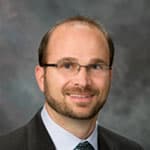
Director of Practice Improvement · DentaQuest Institute
DentaQuest Institute · ADA Council of Scientific Affairs · CAMBRA Coalition · California Dental Association Foundation
Read full bio
Dr. Novy is the Director of Practice Improvement at the DentaQuest Institute, and an adjunct associate professor of restorative dentistry. He served on the ADA Council of Scientific Affairs from 2011-2014, and currently acts as the chairman of the CAMBRA coalition. The California Dental Association Foundation presented him with the Dugoni Award for "Outstanding contributions to dental education," and in 2009, the American Dental Association awarded Dr. Novy and his office the title, "Adult Preventive Care Practice of the Year."
How can understanding your patient's saliva chemistry revolutionize your approach to preventing tooth decay?
Dr. Brian Novy brings decades of expertise as Director of Practice Improvement at the DentaQuest Institute and adjunct associate professor of restorative dentistry. He served on the ADA Council of Scientific Affairs from 2011-2014, currently chairs the CAMBRA coalition, received the California Dental Association Foundation's Dugoni Award for outstanding contributions to dental education, and was recognized by the American Dental Association as "Adult Preventive Care Practice of the Year" in 2009.
This episode explores the intricate science behind demineralization and remineralization, revealing how clinicians can harness natural biological processes to prevent and reverse early tooth decay. Dr. Novy demonstrates how real-time saliva analysis can transform patient communication and treatment outcomes, while explaining the evolving role of fluoride alongside emerging therapeutic interventions. The discussion emphasizes behavioral change over product dependency, showing how proper patient education creates lasting oral health improvements.
Episode Highlights:
Saliva buffering capacity varies dramatically between patients, with high-protein diets providing superior buffering reserves compared to vegetarian diets that may become protein-deficient. Clinicians can assess this through stimulated saliva testing to determine how long patients maintain protective pH levels after acid challenges.
Glass ionomer sealants function through controlled sacrificial dissolution, releasing protective ions into underlying tooth structure even when the restoration appears to have failed. This mechanism provides ongoing caries protection unlike composite resin sealants, which create plaque traps when partially retained.
The new CDT code for enamel regeneration allows billing for peptide scaffold technology (P11-4), which requires calcium and phosphate supplementation from products like CPP-ACP formulations to stabilize the scaffold and achieve lesion remineralization to full depth.
Stannous fluoride offers superior acid resistance compared to sodium fluoride by galvanizing tooth surfaces through the tin ion, making it particularly valuable for patients with acidic dietary habits or frequent acid exposure from beverages like sports drinks or carbonated water.
Revenue integration of remineralization protocols can increase hygiene department income by 4-7 fold according to recent financial analyses, with insurance payers increasingly covering caries risk assessments and preventive remineralization therapies as billable procedures.
Perfect for: General dentists seeking evidence-based prevention protocols, dental hygienists implementing advanced preventive care, and practice owners looking to integrate profitable remineralization services while improving patient outcomes.
Discover how to transform your preventive approach from reactive treatment to proactive oral health optimization.
Transcript
Read Full Transcript
This transcript was automatically generated and may contain errors or inaccuracies. It is provided for reference and accessibility purposes and may not represent the exact words spoken.
You're listening to the Phil Klein Dental Podcast.
Remineralization of teeth is a natural process through which essential minerals such as calcium and
phosphate are deposited back into the enamel, effectively reversing early stages of tooth decay.
This intricate biologic mechanism helps to strengthen and repair the enamel, which can become
weakened due to factors like acid erosion from bacteria and dietary acids. Dr.
Brian Novy, an expert on this topic and our guest today, says it's crucial to assess the patient's
saliva so they know what kind of buffer they have against the effects of acid erosion. He also
feels it's critical to talk to our patients so they comprehend the significance of this
demineralization-remineralization battle. And that means reinforcing proper oral hygiene and
dietary choices in promoting a natural defense mechanism against tooth decay. And as part of his
approach, dentists should be taking advantage of new and advanced therapeutic interventions, which
he'll be talking about today. So at this time, let's welcome our guest, Dr. Novy. Thanks for
joining us. Thank you very much, Phil. It's great to be back. Yeah. And it's just amazing to have
you on our program because there are, I don't know, two or three experts in the world that have
your knowledge and expertise. both on the research side, the clinical side regarding
remineralization, the use of glass ionomers. I've listened to many of your lectures and it's just
so impressive how you stick to the game plan and you just achieve amazing,
predictable clinical outcomes with minimally invasive dentistry, taking advantage of these
principles. So we're talking about remineralization today. With the new advancements that are
emerging, is there still a significant role for fluoride in the area of remineralization?
The short answer... To your question is, of course. Of course, there's a role for fluoride.
We've known for a really long time that fluoride is necessary to change saturation constants for
calcium and phosphate in solutions. And so if you have fluoride hanging around, you have the
ability to drive calcium and phosphate just following the basic chemistry we were taught in
college, following those chemical dynamics. you can drive calcium phosphate where you want it to
go, which in our case is into the tooth because it's naturally leaching out of the teeth during the
caries process. But that's so different that when I talk about leaching out of the teeth,
that's such a different process than what many of us actually equate with caries. And I've become
acutely aware recently that, especially because we have new technology to actually visualize
calcium leaving the teeth. But we've got new technology that allows us to actually watch labial
calcium leaving a tooth in real time using photoproteins. And so I've been using this in my office,
and I can actually see why some of my glass animal restorations are doing exactly what I want them
to do, which is buffer the acidic environment that the patient is creating by eating. What I've
always thought was a healthy diet, which is actually yogurt and granola and coffee on the way to
work. And I found out, oh, wow, that explains why he's showing that characteristic sacrificing of
the glass on our surface that I see that other people equate as restoration failure.
I see as huge success because the opposite of that is recurrent decay around a composite.
And certainly that's my worst nightmare. So from that perspective. We've known that fluoride allows
us to drive that chemical process in the opposite direction of what's causing the disease in our
patients' mouths. So from just a simple chemistry aspect, yeah, there's absolutely no shadow of a
doubt that fluoride helps in that process. Can other things be used? Absolutely. And we're learning
that more and more with combination therapies. There are certain things which, when combined with
fluoride or used without fluoride at all, actually can do similar things. And now we have science
saying maybe even better. So I don't know if you want to really poke a bear, but we could go there.
No, I definitely want to go there because it actually fits perfectly with my next question, which
is how can clinicians improve chances for remineralization for their patients? How can they
increase the odds that they're going to be successful with their remineralization approach and
their strategies? Well, it's interesting you ask me that question now because I've recently come
from giving hands-on courses over the past couple weeks in both Hawaii and here in Boston,
actually showing dentists and hygienists how I can change the chemical composition of your saliva
just while you're sitting in my class. And it's really fascinating to watch people who think
they're low caries risk find out, oh my gosh, I'm actually high caries risk. And that explains why
I have this taste in my mouth that I've never really noticed until I sat through your course. And
we started putting words to this. So I guess that's a plug for come to my hands on course,
oral fluid fantasy land, coming to a dental meeting near you. So Dr. Novy, just curious,
how did the attendees of your lecture assess their level of caries risk at your program?
Thank you for asking. If you come to my hands-on course, I actually teach you how to collect and
analyze saliva, just so you understand a little bit more about what's the physical chemistry of
your saliva specifically so that you know how long do you have a buffering reserve in your salivary
glands? Because some people can drink soda and have candy for hours on end,
and they still continue to produce high-buffering saliva. that will continue to protect them.
And they walk out of my course low caries risk, even though they've been eating candy for three
hours straight. Some people, and it's usually, I'm going to say it's oftentimes a hygienist,
but it was at one point the dean of a dental school when I gave the course in San Francisco,
who found out that, oh my gosh, I didn't realize that my diet is actually causing me what I thought
was a healthy diet. It's actually causing me to have really acidic saliva. Yeah, it's fine if I
don't really challenge things, but I now know after stimulating my saliva for X number of hours
that over the course of time, it became actually pretty darn caustic. And there's nothing I can
possibly do to improve the quality of my saliva unless I have a product that I can put it topically
in my mouth and pH shock that system back in a submission and nurture the growth of good bacteria.
So how does this apply to the dental office, this assessment? using this method to analyze the
saliva and find out that buffer. Is that something that you do right away? Is that something you do
further down the timeline in treating the patient? And of course, the results of that determine,
I assume, the strategy and the approach to handling this type of situation where you may need
adjunctive therapy. It's from the first moment I see a patient. So if you're sitting in my chair,
you've... gone through an interview process, and I often find it's interesting that I'll ask a
patient, how did you wind up in my chair? Because I don't think you realize where you are and who I
am. But I know you've been told I'm not like the other dentists,
and this is going to be a very unique dental appointment for you. So I'm just curious, what do you
want to get out of our time together? Because that's the most important thing to me. I would say I
focus on what matters most to the patient, not what's the matter with the patient. Because I'm
pretty darn certain that what matters most to that patient is, it could be I'm in pain and I want
to leave here not being in pain. Most of the time for my patients, it's I'm absolutely terrified of
you. And I'm going to get out of here as fast as possible. So please stop talking to me and just
end this appointment now. And please don't do anything that's going to scare me any more than I
already am. I just want to burst into tears. So oftentimes that's my situation walking into. And so
when I walk in, I'm armed with a printout of the patient's saliva. I think many people would say,
well, I have to have that printout. In all honesty, no, you don't. What we really need to do is
change the way we communicate with our patients and truly make it all about what matters most to
the patient. So if we just stop with jumping straight to the therapeutics and really try to
understand, because, and I'm sorry, I don't mean to sound flip when I say that. I feel like I've
ruined cariology for everyone who's ever sat in my lectures with what I've been totally schooled in
the last four years of clinical practice. where I've learned it's not about the therapeutic I offer
my patients. Because if I give my patient a fantastic therapeutic and they run out of it in 30 days
and they can't get it again, what do I do? What I really need to do is I really need to teach that
patient in the small moment of time I have with them that they are completely in control of this
disease. And if they just wiggle that toothbrush around a little bit better from this point
forward, they hopefully will never need me again. And they certainly don't need to come back to see
me because they're in pain. But we will have a relationship where... moving forward. If they need
me, I'm here for them, but they know that I'm here to support what they have. What is that great
quote by Dr. Devon? What is it? Our goal should be the perpetual preservation of what remains
rather than the meticulous restoration of what is missing. Give me a chance to earn your trust and
let me into your mouth and I'll help you repair what's missing. I promise you to feel like
butterflies are walking across your teeth when I touch your teeth. That's what I wanted to feel. I
don't want you to feel like I'm poking you. It should feel like everyone in my office, it should
feel like we're butterflies walking across your teeth. And if it doesn't feel like that, let us
know because we can change it to make it feel like that. I think it's very important, the points
that you're bringing out, how it's important to assess the risk of that patient, to make sure you
communicate with that patient so that they can adjust their diet perhaps, their home care
compliance, should be vigilant and so forth, and that they can take control.
There's many cases where therapeutics in combination with all of what you've just said is
important. So tell us about the therapeutics. Phil, it's so funny. I feel like you're, I feel like
I've become the dentist that I never wanted to be because I always wanted to be about the cool
therapeutic. And I remember early in my career, you know, I found MI paste early on.
So everybody knows, I mean, of course, Brian Novy is going to gravitate towards MI paste and the
CPP, ACP molecule. I have, I mean, my entire reputation, my entire career. is based on the fact
that I have documented that this stuff works to remineralize a kid's tooth to central incisors.
I show Eddie in my lecture, every single lecture I have. Eddie should be the poster child for a
rock star toothbrush. I mean, he is a 17-year-old who is amped up about brushing his teeth
because his mother has documented him brushing his teeth with M.I. paste ever since he was six
years old. Now we have M.I. paste one for kids. Eddie is the poster child for what is possible
when you have, A kiddo who, or any patient, let's be honest, any patient who just wants to,
needs help actually enjoying taking care of their teeth, whether it's with a flavor or whether it's
a mouth sensation. There was a paper that actually talked about a dental lotion. And I never
thought about it. But, you know, in other countries, M.I. Paste is called tooth mousse. And here
it's called M.I. Paste. And it's not a paste. It's a cream. And it's like marshmallow fluff.
It has a weird fixotropic property. So the great thing about it is it's a wonderful molecule that
you can put in many different things. We happen to have it in a paste, which is so easy to simply
ask the patient, yeah, hey, would you mind trying a different toothpaste after today? And Dr. Novy,
I do want to point out to our audience that, you know, you are mentioning products, but we brought
you on this podcast because you are an expert in this. There are only, as I mentioned at the top of
this podcast, there's only a few other people that know as much as you in the field of
remineralization. So we certainly want to know what products you like and you have the integrity
and reputation to stand by those products based on the evidence that shows that they actually work.
And I think everyone who comes to my lectures realizes I don't talk about products because people
tell me they want me to talk about products. I talk about what I use in my practice. I document it
in the peer-reviewed literature as best I possibly can because I want to be known as Duke.
That guy puts it out there. But at the end of the day, Phil, it's not about the product and the
therapeutic we give our patients. It's about what can we do with our words and our...
the ability to ethically influence patients' behavior with our own mouths, not with a magic
therapeutic. And so if we make it about, you need this miraculous molecule, which it is, and it
helps, and I've seen it do amazing things. In fact, there is a board examiner for the Western
Regional Boards who docked me three points for my board exam because I...
didn't just arrest the caries in that interproximal class two I needed for my boards. That thing
mineralized. And there's, and now that patient is now, he works in the lab industry. I don't want
to violate HIPAA on this. There's, there is a, what my patient, who is supposed to be my boards
patient, who I gave MI plus two as a fourth year dental student, he reversed his class two.
And I couldn't, I didn't have a patient. for my board exam. And I was in tears at Loma Linda going,
oh my gosh. And I think to this day, I was docked for over-treatment of a patient. I lost three
points in the Western region of board because I was over-treating a patient because I
remineralized their caries lesion using MI-PACE+. I was doing this before my boards.
But what you're saying is it's okay to use therapeutics, but what the real long-lasting...
resolution to all this is, is a behavioral change and for the patient to understand why they're
needing this therapeutics in the first place. And if they could correct that, then the therapeutics
serve as an adjunct to your discussion with them and getting them on the right track. Is that what
you're saying? That is exactly what I'm saying. And now I realize I didn't actually complete my
thought with, I actually wound up shamelessly plugging my course. And what you will learn in my
course is that the clinicians in the room who have high protein content, diets where they're there
they focus on eating a high protein diet those people have higher buffering capacity than their
saliva over longer periods of time and oftentimes there are people who think they're very healthy
and they're vegans or vegetarians who don't who actually are somewhat protein deficient in their
diet who find out oh wow my buffering capacity was depleted after 30 minutes of stimulating my
saliva it's a good thing i don't chew gum constantly throughout the day And those, and that's the
kind of, those are the light bulb moments I like for people to learn in my lectures are, oh, wow,
now I understand why you really shouldn't chew sugarless gum for more than 20 minutes, unless you
know that that patient produces high buffering capacity, high pH saliva for,
you know, three hours when, and some people do, but most of our high care resource patients do not.
And so in that case, we need to offer them some sort of calcium phosphate supplementation. And then
the, in our course, we give you the chance to see how much in my pace does it take you then? to
actually raise the buffering capacity back to a level where you're actually going to not have total
demineralization of your dentition. When was it established scientifically that proteins in the
plaque actually reduce the acidic output, which helps the whole process?
And tell us about the science behind it. What is actually going on with the protein in that
location? Phil, how long? In two minutes or less. No,
I can't do it in two minutes. Well, I mean, there's a mechanism. There's a corrective mechanism
with this protein that's doing something. That's why we're talking about it. So I just was curious
to know what the history is scientifically. Is this concept new or has it been around a long time?
It's been around for quite a while. I think that the pioneer here in the United States was Dr.
Mandel, Israel Kleinberg, and Irwin Mandel. They were really the pioneers in electrophorescine,
at least from my recollection. They were having symposiums on what are the constituents of saliva
that we see in. caries resistant versus caries prone individuals. And for whatever reason,
I don't know if it was biotechnology or our fascination with tooth colored restorations that led us
down the road of, hey, let's pursue restorative dentistry instead of the science of tooth decay.
But Dr. Mandel wound up becoming the editor of the Journal of Dental Research. And so they became
the pioneers in actually understanding oral biology. And unfortunately, I think the general
consensus is every general dentist that doesn't specialize is an oral biologist. Well, That's
ridiculous, Phil. You and I both know that. We're taught in school to just cut teeth into pretty
shapes, throw out all the science and just cut that tooth into a pretty shape. Can remineralization
procedures become a profitable revenue stream for the practice? Thank you for asking that question.
There you go. That's my job. Those models are being created right now. So most people don't realize
that you have payers. I mean, payers want to pay you to remineralize teeth. I know you,
I know people think they don't, but the reality is they do. And every, most often,
if you take any sort of payer's plan, I guarantee you that payer has some sort of incentive program
for you to do better prevention. Whether they're reimbursing you to do a carrier's risk assessment,
whether they're actually paying for you to offer these remineralization therapies, whether they're
paying you for application of desensitizing medicament and you're doing that off-label.
And you know what? To heck with it. Just say, and Brian Novi told me I could. And put my name in
box 35 and maybe we can start a revolution.
No, seriously, seriously. Because I'm really, I get, I know, I talk to the payers. Believe it or
not, the payers at their meetings have me come and speak. And they say, what, you know, we want to
know when a dentist uses a glass ionomer sealant and they have to reapply it a year later.
Can you explain to us why we should be allowing that procedure again a year later? Um, and if you
explain it to us, we will, we will allow it. And so people don't realize, and I get, I'm, I'm sorry
to them, Phil, and please don't edit this out. I beg of you, if people don't edit this out. Um, I
recently heard that a lecture dentist came up to me and he said, Oh, you're the guy who makes the
hygienist hate me. And I said, what were you talking about? He said, well, I, so I was in an office
one time and I did glass on our sealants on all these high risk kids. they dissolved out. And I
said, well, they didn't dissolve out. They did exactly what they were supposed to do. And they're
still working even if you can't see them. That's what all the science says. He said, well, yeah,
but the hygienist said I did them wrong. Well, to the hygienist who are listening, if you are that
hygienist who's in Alaska, who's actually spreading that message, let me just call you out. You're
wrong, okay? You don't understand the science of how we prevent caries lesions. You have been
taught that one material only in your hands is the easiest thing to use. Let me turn you on to
something else. We see recurrent decay under partially retained composite resin sealants.
That verbiage gets twisted in the literature so that people say partially retained sealants are
still effective. No, no. Partially retained glass ionomer sealants are still effective. And
unretained glass ionomer sealants are still effective. Partially retained composite resin sealants
are custom fitted plaque traps for teeth. And I will not allow anyone to tell me that that resin
sealant, which is held on by some mechanical retention and has nougat underneath it. is actually
doing anything to prevent caries in that child's tooth. That thing should get flicked out of that
kid's tooth and make that tooth cleansable. And better yet, put glass ionomer on top of that area
after you've cleansed it really, really well, hopefully with air abrasion, and get that custom
-fitted plaque track goop that you put in there because you use the material that is not,
for whatever reason, is failing miserably. That's completely different. from our glass ionomer
sealants, which actually sacrifice themselves. And as they do so, they produce, they release ions
into the tooth and they strengthen the tooth underneath it. So I think you could just watch what
comes out in the systematic reviews over the next 10 years. You're going to see that the data is
totally shifting towards glass ionomer and remineralization with low doses of calcium phosphate and
fluoride over time, especially with the mix of protein in there. All the ortho studies on reducing
white spots around orthobrackets show that resin-modified glass ionomer hit with topical CPP, CPP
with fluoride in low dose over time. Those teeth do not develop white spot lesions. I mean, it's
like the secret sauce to preventing caries. Every kid becomes high risk when you put orthobrackets
on their teeth, but not if you cement them with resin-modified glass ionomer and keep that kid on
a CPP, CPP fluoride regimen. All right. Thank you, Phil, for that. No, no. We're not going to cut
that out. You covered a lot there.
Having that approach that you talked about earlier as we wrap up this podcast, it can be a revenue
stream, right? Dentists are not sacrificing. They can make money at this. Yeah. Phil,
actually, I don't think people realize. I have it around here somewhere on my desk in Germany. The
October 2023 issue of the Journal of the American Dental Association has a paper which actually
says. that any dental office where the hygiene department adopts glass ionomer sealants and the new
enamel regeneration technology with the peptide scaffolds, just incorporating those two
technologies into your hygiene program can actually increase revenue by four to seven fold.
It's October 2023 issued. It's that there's a financial, there's a paper on the financial analysis
of prevention and practice. And they show the actuary analysis of how to actually increase your
hygiene revenue. 47-fold by adopting specifically glass ionomer sealants and the peptide scaffold
technology. So tell us about the new billing code for remineralization. There's new CVT code for
enamel regeneration. So it's a billable procedure. We have a chemical therapeutic, which is a
peptide scaffold. It has been in the literature. It's known as P11-4. And that technology,
when applied in the office, can produce. lesion remineralization to the depth of the lesion,
but it's not delivering calcium and phosphate. And I think this is a really key point that people
don't realize. Yes, that technology works to create a scaffold in the tooth, but you need calcium
and phosphate from the saliva to actually stabilize that peptide scaffold that you put on the
tooth, which is why I always send the patient home with MiPaste, and it used to be MiPaste Plus.
Now it would be MiPaste 1 for kids or MiPaste Perio because I really like MiPaste Perio at this
point. There's so much really interesting research about stannous fluoride. And I've been,
as a caries guy, I've been brain, I don't want to say brainwashed, but I have been bowled over with
sodium fluoride for caries, stannous fluoride for gingivitis and for perio. But I have some new
friends in the fluoride world. They've been explaining to me the difference between sodium fluoride
and stannous fluoride, and I'm really impressed with what I'm learning about how the stannous ion
specifically is so important to actually, what they say,
galvanize the surface of the tooth. And when it comes to acid dissolution of the tooth, you really
want to galvanize the surface of the tooth with that 10 ion,
which actually gives you much better. uh resistance against acid dissolution and patients who have
these really acidic mouths because they're drinking fruit juice all the time or gatorade or sports
drinks or heaven forbid they're drinking 12 cans of mountain dew a day um like some of my patients
do um though or even seltzer water constantly throughout the day perrier my own family members
drink perrier like it's going out of style and uh they have horrible erosion and so you want
something like stanisfluoride in the mi paste perio that's why it's so important um I think people
understand mi-paste perio is not for patients with periodontal disease. Mi-paste perio is really,
it really helps stabilize the stannis ion on the root surface and provides more acid resistance to
the root surface. And that root surface is really susceptible to acid dissolution because it
dissolves. You really start activating those matrix tylocroteinases at pH 6.6. So it doesn't take
the shift. in your salivary pH doesn't have to go very far before you activate caries on a root
surface. As we close out this podcast, Dr. Novy, and it's been really super, super informative, I
encourage our audience, if you want to learn more about this topic, this big chemistry game that
we're playing as dentists, demineralization, remineralization, and everything in between, Dr.
Novy did a tremendous webinar titled, I Can't Take All This Science. Just go to vivalearning.com,
type in Novi, N-O-V-Y, and you'll see that webinar. Until next time, Dr. Novy, thank you so much
for joining us. Thanks, Phil. Take care. If you're enjoying this podcast, please leave a review or
follow us on your favorite podcast platform. It's a great way to support our program and spread the
word to others. Thanks so much for listening. See you in the next episode.