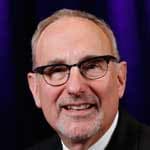
Dr. Lieblich graduated from Rutgers University (Highest Honors, 1977) and the University of Pennsylvania School of Dental Medicine (1981). He completed his residency in oral and maxillofacial surgery at Kings County/Downstate Medical Center in New York. In 1984 he assumed a full-time position on the faculty of the University of Connecticut until 1988. Currently, he is in private practice in Avon, CT and maintains a part-time teaching appointment at the university as a clinical professor. At the University of Connecticut he lectures to the medical and dental students on head and neck anatomy (with special focus on the temporomandibular joint and the anatomy of orthognathic surgery) and also to the various postgraduate residency programs. He is on the medical staff at Hartford Hospital, Connecticut Children's Medical Center, St. Francis Hospital, John Dempsey Hospital (University of Connecticut Health Center) and Charlotte Hungerford Hospital (head, section of oral and maxillofacial surgery).
Dr. Lieblich has been a contributor to over 19 textbooks and published over 45 peer reviewed papers and abstracts. He is an invited speaker at conferences throughout the United States and has presented his research at international scientific meetings with focuses on ambulatory anesthesia, dental implants, dentoalveolar surgery and periapical surgery. Previously he has served as president of the American Dental Society of Anesthesiology and following a 6-year term as a member of the examination committee of the American Board of Oral and Maxillofacial Surgery (chair of the medicine and anesthesia sections) he was elected to an eight year term of the ABOMS board of directors (President 2009-2010). Dr. Lieblich is on the editorial board of the journals Anesthesia Progress; Oral Surgery, Oral Medicine Oral Pathology ("Triple O") and the Journal of Oral and Maxillofacial Surgery. He regularly reviews articles for the International Journal of Oral and Maxillofacial Surgery, and General Dentistry. Dr. Lieblich serves on many local, state and national committees in his specialty and currently is a member of the American Dental Association's Commission on Accreditation (oral and maxillofacial surgery) and the American Association of Oral and Maxillofacial Surgeons Parameters of Care Committee (chair, Dentoalveolar surgery section).
Dental podcast: Welcome to DentalTalk. I'm Dr. Phil Klein. Today we'll be discussing the role of dentistry in the opioid crisis and how to incorporate local anesthetics in response to this ongoing issue. Our guest is Dr. Stuart Lieblich, a world respected oral and maxillofacial surgeon. He is a contributor to over 19 textbooks and published over 45 peer reviewed papers and abstracts related to oral surgery and oral medicine. He is a noted speaker nationwide and regularly presents webinars for Viva Learning.com. He is currently in private practice in Avon, CT and is on the medical staff at a variety of hospitals in CT.
Transcript
Read Full Transcript
This transcript was automatically generated and may contain errors or inaccuracies. It is provided for reference and accessibility purposes and may not represent the exact words spoken.
You're listening to the Dr. Phil Klein Dental Podcast from Viva Learning.com.
Welcome to the show. I'm Dr. Phil Klein. Today we'll be discussing the role of dentistry in the
opioid crisis and how to incorporate local anesthetics in response to this ongoing issue.
Our guest is Dr. Stuart Lieblich, a world-respected oral and maxillofacial surgeon. He has
contributed to over 19 textbooks and published over 45 peer-reviewed papers and abstracts.
related to oral surgery and oral medicine. He is a noted speaker nationwide and regularly presents
webinars for Viva Learning. He is currently in private practice in Avon, Connecticut, and is on the
medical staff in a variety of hospitals in Connecticut. Dr. Lieblich, it's a pleasure to have you on
Dental Talk. Well, Dr. Klein, thank you for having me. It's a pleasure to be back. Yeah, it's
always great to have you, Dr. Lieblich. You have incredible insight into so many topics that you've
talked about. Your webinars are doing great. Your attendance is off the charts. So you have quite a
following here at Viva Learning. So we do appreciate your time. So to begin, let's talk about the
opioid crisis related to the role dentistry has. So how significant is that role?
Yeah, that is actually the key because dentistry, and if you think about extraction of third molars
or wisdom teeth, that's just one facet, but that is many times an individual's first entree to an
opioid prescription. So they're what we call the opioid naive population. They've run their lives,
maybe got a few sprains and strains and maybe some sutures on their forehead, but getting out their
wisdom teeth, having other dental surgical procedures, oftentimes as the adolescents,
younger adults a first exposure to an opioid and we know that opioids in those susceptible
individuals can start to trigger a tendency and a pathway down towards dependence and so we in
dentistry have a a huge role in that. And it's actually estimated that about 42% of the young
adult population's first prescription for an opioid comes from the dental provider. What is the
most typical opioid that's prescribed in the GP environment? Basically, in our practices,
hydrocodone is probably the most commonly utilized one. There was a big spike in its use a few
years ago because hydrocodone initially was Schedule 3, which allowed dentists and other health
care professionals to call in the prescription to the pharmacy. And so that gave us an ease of
dealing with a situation, particularly if it happened on a weekend, we could always call in, you
know, five or ten more prescriptions if the patient had pain. But that's now been reclassified as a
Schedule II drug, which is appropriate for it. And now that means it has to be a written
prescription. And in most states, an electronic prescription sent into the pharmacy.
So a little bit more work and planning on the part of the practitioner. And sometimes that actually
leads to an overprescribing because, say, I do a third molar extraction on a Thursday afternoon or
Friday morning. I don't want to be bothered on the weekend. So instead of prescribing five or 10
pills, let me just give the patient 25. And there's nothing else to be done until Monday or Tuesday
if they run through those medications. So it puts more drugs into circulation. Once opioids get
into circulation, even legitimately, they are sometimes overutilized by the patient they're
prescribed for. But also we have the risk of diversion to family members, to friends,
other relatives that may come into the home, use the bathroom where we all keep our medicines in
our medicine cabinets. It's a private room, a locked room, which it's appropriate to lock. And so
individuals will go through medicine cabinets and oftentimes or occasionally find these medications
and then take them and divert them for their own use. So it's a huge risk having them out into our
populations. So what specifically can a dentist do to reduce the need to prescribe an opioid?
So it starts, I think, with the consultation appointment. We discuss what we're doing, why we're
doing it for the patient, what the expected benefits are for the patient of our procedure,
whether it's an endodontic procedure, an oral surgical procedure, a periodontal procedure. But we
don't oftentimes step back and discuss the recovery and the dealing with the expected postoperative
discomfort. So it's important to set... expectations initially. And that starts with a conversation
with the patient and or their parent if they're a minor individual. But utilizing the family model
is important. And explain to them that, yes, we're going to say extract a third molar.
And that's a classic model for postoperative discomfort. But we have mechanisms and means to
improve your outcomes so that we don't rely on the opioid as our number one knee-jerk reaction.
So it starts with patient preparation during the actual procedure starts with adequate pain control
and in the webinar we had the opportunity to discuss how arcticane with its effective diffusion and
shown improvement in outcomes over even lidocaine prevents the initial pain from occurring during
our surgery and we know once pain starts centrally in our brain, those neurons get sensitized.
And so once that occurs, every additional pain sensation that's conducted through that nerve is
basically magnified. So we use the terminology preemptive analgesia or preemptive anesthesia,
preventing pain before the patient actually detects it and feels it so that they don't become
centrally sensitized so that afterwards. The additional swelling, the discomfort, the inflammation
that's associated with any dental surgical procedure goes on to send excessive sensations back to
the brain and the patient then responds by feeling excessive pain. So local anesthetics are our
first line of adjunctive treatment, blocking that pain, making sure that they don't have a lot of
discomfort during our procedure. The local anesthetic also gives a duration of pain relief of,
say, two to three hours of soft tissue anesthesia, particularly with articaine. That allows the
patient to go home to rest. to start applying ice to the area, to start taking preemptively non
-steroidal anti-inflammatories such as the ibuprofen class, and that will also down-regulate.
the sensitization of these neurons, as well as preventing local inflammation at the site of the
surgical activity. So these things all work together, and it's important that we discuss that with
the patients preoperatively or prior to the surgery so they know as soon as they get home. And our
mantra in our office has always been, as soon as you hit the door, gauze out, ibuprofen in. have
something to drink, put the gauze back in for another hour, and then follow your standard
protocols. The other issue, if I can just go on from there, is instead of prescribing or
recommending pain medication, even over-the-counter medicine, as needed for pain, we put them on
a fixed schedule. So for the average full size, a young adult patient, 150 pounds,
and they have no other medical contraindications, 600 milligrams of ibuprofen every six hours for
the first. two days is very, very effective at alleviating the discomfort. And that needs to be
started. And if they can set the alarm, and again, our mantra is 600 every six hours, set your
alarm clock. Everybody has an iPhone or a wristwatch of some sort that will send off an alarm and
get them on that. And then intermixing that with acetaminophen, which will act at a different site
to alleviate discomfort. And those combinations have been shown to be as effective as the opioids.
What do you say to those patients who want to minimize the non-steroidals and they're taking a
lower dose, so 200 milligrams, for instance, is that not reaching the effective level
therapeutically? So it's really not going to do anything at all? take away some of the pain well
you know it's it's an interesting concept it's a little bit of a sub therapeutic dose so one could
argue if you took 200 milligrams more frequently every two to three hours that might be as
effective as 600 every six and so the goal is maintaining blood levels of these agents so that they
are effective for the individual at attending their pain Dr. Lieblich was referring to a webinar
that he did, and the CE supporter was Perel Pharma, and the webinar is the same or similar title to
the podcast. is titled Integrating Local Anesthetics into an Opioid Sparing Pain Management
Protocol. So that was released on May 11th, 2021. I encourage everyone to check that webinar out.
Dr. Lieblik did a phenomenal job, as he always does in his webinars. So what would you say would be
the way to handle a patient who comes to the office and immediately is talking about an opioid,
like a Percocet or something, a Percodan, and say that... I have no tolerance for pain. I need the
strongest stuff. I need a lot of it. What's your way of handling that? Well, that's a great
challenge. And it's something that we all face and we're never quite sure. Fortunately, now with
prescription monitoring programs that most states have in place. We can, first of all,
go online and determine, is this patient seeking medications from other practitioners as well?
Are we truly the sole provider of pain medication? So let's just say the individual has no other
evidence of persistent. opioid utilization from other providers then what we consider is sort of a
pain contract and we don't like to necessarily say it has to be written down but it does have to be
discussed with the patient that we have expectations of two to three days of discomfort i will
prescribe you a certain amount of medication based on your height and weight and what i anticipate
the surgical discomfort to be But pain is complicated. Pain is defined as whatever a patient says
it is. So one individual may feel a lot more discomfort than another. And again,
if we can talk with the patient to say, during your procedure, we have very effective local
anesthetics that are highly concentrated that will give you two to three hours of post-operative.
anesthesia so you will not feel anything that will give you time to get home to rest to take your
anti-inflammatory medicines on schedule and ahead of time before the pain starts and with this
protocol we feel we can alleviate discomfort in most of our patients if not if they feel that
they're going to need larger numbers of prescription pain relievers then we may prescribe a small
amount say five to ten and say that if you need more we'll need to have you come in and take a look
at you to objectively observe your healing to determine if again is the pain out of proportion with
the clinical signs or not but that is indeed a challenge and you know what makes a good doctor you
know when patients go out into their communities and says you know dr klein did a great job for me
i had no pain or you know he gave me enough pain medicine that took care of my discomfort those are
you know issues that we want to spread goodwill and good reputation about our practice but You
know, opioid stewardship is important in our practices, just like antibiotic stewardship is
important. So we don't want to willy-nilly throw out antibiotics and then have the potential side
effects and issues with resistance. And just as similarly, we can create a lot of significant long
-term problems for individuals that, as we all know, unfortunately have some very sad endings.
And it's important for us to be judicious and take each individual and treat them as an individual.
I can't tell you there's a perfect recipe for that. It's one of those dilemmas that face all of us
in practice, sort of like the occult fractured tooth or cracked tooth. You know, can we really
figure out exactly which tooth it is? Are we aware of the patient having any secondary habits,
malingering, or are we risk of diversion? We'll tell you that studies show that it's about 10% of
individuals who are prescribed a first opioid by their dental provider as a young adult will go on
to have persistent opioid prescriptions for them. It doesn't mean it always leads to addiction,
but there is a prolonged prescribing for individuals that sometimes is out of relationship to the
original surgical insult. When you're talking about the local anesthetics, incorporating that into
the strategy, You mentioned Articane, and I know Oroblock is a very well-known Articane.
I don't know if you use that. Well, yes, Oroblock is the brand of Articane that we purchase. It's
formulated a little differently. You know, Articane had a little concern in the past. Does it cause
long-term persistent numbness or anesthesia of the lip or chin when used for the block or the
tongue for an inferior alveolar nerve block? First off, it's labeled for use as nerve block,
so it's not... to use as a nerve block. There was articles in 1995 by Haas and others in Canada
that seemed to indicate there was a higher incidence. Yet, when you look at other countries, take
Germany, Italy, and throughout Europe, arcticane is their number one utilized local anesthetic
agent. And they certainly have access to lidocaine and mepivacaine and the other agents as well, by
far. So you'll see German dentists using 90% of their local anesthetics being arcticane.
And there's a reason for that. It's a higher concentration. It's a 4% solution versus the 2%
solution that we use in lidocaine. Therefore, you're getting twice as many molecules per cc of
injection. you're having an agent that is a little chemically different that allows it to diffuse
at a higher rate. And there are reports and some studies, and we have been published in Journal of
Oral and Maxillofacial Surgery, that show in many cases, upwards of 70% or more,
you can extract a maxillary tooth without giving a secondary palatal injection.
And we all know how unpleasant that is to give. Well, it's much more unpleasant to receive the
palatal injection. So if we can avoid that, We avoid over again stimulating the patient initially
with our initial procedure. The administration of the local anesthetic is often thought of by the
patient as the most emotionally taxing part of their dental visit. And we know our most common
office urgency being syncopal reactions or fainting from the local anesthetic. is a stress
response. And so if we can eliminate the stress or reduce the stress by not having to give palatal
injections, we're not giving that pain initiation for the patient. And then during the actual
procedure, say you have an individual with a hot tooth and infected tooth using arcticane the four
percent solution say an aura block allows diffusibility it does take time because the environment
is a little different with an actively infected tooth but we find we can get good profound local
anesthetic effects so that we alleviate the pain the patient is much relieved they're much happier
when they leave out of discomfort and pain and then they go home and follow our prescribed
mechanisms for reducing pain afterwards Now, do you still use lidocaine? Not as much in our
practice. So I've switched over to articaine as my agent of choice. We'll also use bupivacaine,
which is a... highly protein-bound, so it lasts more like six to eight hours. So probably not
appropriate for operative dentistry, where you want the patient to be anesthetized during your
case, and then you want it to wear off as soon as possible. In oral surgery, periodontal surgery,
endodontic surgery, and endo in general, it's nice to have that prolonged anesthetic effect. The
problem with bupivacaine, its pKa is higher, so it takes longer to act,
10 to 12 minutes, whereas the arcticane, as found in Oroblock, is a much lower pKa of 7.8.
So it's going to more rapidly take effect. And that helps our efficiency in our practice. It helps
the patients feel better quicker. And then you can then, if you expect postoperative discomfort,
give a supplemental injection of the bupivacaine. And then again, follow that with very strong
guidelines, written guidelines for the patient. Again, as we mentioned earlier, to start the
ibuprofen as soon as you hit the door at your home. Yeah, so this has been really insightful. So
one of the things I picked up from this conversation is that if a patient appears to be someone who
looks like they're trending to get more drugs because they want the opioid experience beyond what's
really needed for the procedure that you just performed, you prescribe potentially maybe five or
six pills, right? Five or six tabs to get them through maybe a day,
right? Or day and a half. And then in order for you to give them more, they need to come in.
Now, how often do you see that scenario where they come in and based on what you're looking at
clinically and the time that's passed since the actual procedure and the tissue has been
manipulated, you don't really see a super need to have these strong opioid type prescription drugs.
What's the scenario there? Again, that's a complicated part. You hope you reach that point where
the patient's tired of coming in and getting small prescriptions. Patients will manipulate us
sometimes by saying, well, I have the same copay if you give me five pills or 30 pills, so can you
give me 30? Well, that's not appropriate stewardship. I don't think that's actually true anymore.
The good news, bad news is that opioids are very inexpensive when they're purchased legally.
They're very expensive when they're purchased illegally. So there's a high value towards diversion
of these drugs. And so, again, we need to really validate the issues for the patient.
uh if you know uh i guess the classic example in oral surgery is the dry socket the alveolar
osteitis and you know do come in because not only can we maybe have to give you more prescription
but we can actually treat this we can put a packing into that socket we know in a half an hour
you're going to feel a lot better we know we can place lidocaine jelly for example into the socket
and all those things will help alleviate the pain so it's not we're ignoring the patient we're not
setting up roadblocks But we need to differentiate alveolar osteitis, dry socket versus infection
versus an over-response to pain. Or lastly, an issue where the patient is trying to get us to
prescribe more for secondary gain issues. The take-home message here is that it's really the
responsibility of the dental care provider, the dentist, to make sure that they're being extremely
careful and judicious about prescribing opioids as part of pain. control after these types of
procedures and with the proper protocol you can really minimize the dental patients to as you said
manipulating manipulating their dentists to get more drugs right i mean absolutely there was a
billboard in times square a year and a half ago it said would you give your child heroin for their
wisdom teeth extractions and you know opioids are and heroin is a form of an opioid and
unfortunately heroin is very easy easier to get than a prescription opioid and it's much less
expensive and then we know heroin is then cut with fentanyl or carfentanil and you know tragically
a respiratory arrest is not an uncommon outcome in these cases so you know we can draw that line in
the sand and you can Also market yourself as an opioid-free practice. There are practices that do
that, and that sets the tone right away with the patients that I don't prescribe an opioid.
So that's an option as well for the dental practitioner. Oh, that's interesting. I didn't know
that. Yeah. Yeah. I did not know that. Do you do that for your practice? We promote a lot. We've
done work with Oroblock and Articane and had much better outcomes. We also, there's a delayed
release form of bupivacaine that will last for two to three days called liposomal bupivacaine.
And we've done some work with that. And we're actually able and have recently published an article
showing a tremendous reduction in our opioid. prescriptions for our patients.
So we've gotten down below 78% of what we have prescribed before, which we thought was a pretty
low level. So again, it's part of what's called multimodal treatment. We start with patient
preparation and expectations. We go with effective local anesthetic,
for example, the arcticane and other techniques to maintain good pain control during our procedure,
enough time to carry the patient to get home, starting the nonsteroidal anti-inflammatories on a
scheduled basis right away, intermixing that with acetaminophen or Tylenol for breakthrough pain.
And then the opioids are way down the road as a last resort.
uh basically a rescue medicine and again some patients our protocol is to prescribe five and tell
the patient and the family member usually the parent just leave it at the pharmacy you don't have
to pick it up but most pharmacies now are 24 hours so you know if they're worried that saturday
night at 11 o'clock at night their child will have pain they do have the ability to get to the
pharmacy and pick up the medicine and we find the fill rate down not to use a pun on your name
there, Phil, but the F-I-L-L rate is only about 5%. And then sometimes patients say,
oh, I just got it because I was worried, but I never needed it. And then we have to have
conversations as well when they come back for a follow-up visit about appropriate drug disposal.
And that's just as important of a conversation as appropriate prescribing. Dr. Lieblich, it's always
a pleasure to have you on the show. Amazing stuff. You are so articulate the way you... talk about
things. It's so easy to understand. You make everything simple. That's probably why you're on staff
at a variety of hospitals in Connecticut. They're probably enjoying your teaching skills and
helping the residents learn about this as well. So have a great week and thanks for your time and
we'll see you on the next webinar and podcast soon. Indeed. I congratulate you on the Dr. Phil Klein Dental Podcast for what you do for the profession. It's a great communication format. Thank you very much. Thank you.
Keywords
dentaldentistPierrel S.p.A.Drug and Alcohol AddictionOral MedicinePharmacologyPractice Management